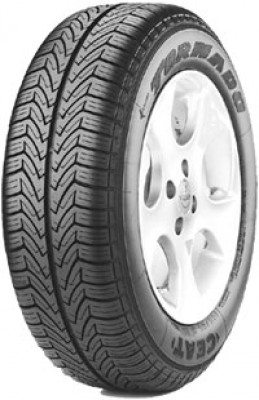
Ceat Tornado im Test
The Ceat Tornado presents a polarized user experience, with feedback ranging from high satisfaction regarding dry-weather handling and longevity to significant safety concerns in wet conditions. While some users report reliable performance over a 30,000-mile lifespan, others cite premature structural issues such as deformation and vibration.
Zwei Bewertungssysteme im Vergleich
Besitzer-Scores stammen aus Bewertungen bei Händlern und auf Bewertungsportalen, Straßentest-Scores aus Messungen. Wo sie abweichen, geht es meist um eine Disziplin, die Besitzer selten ans Limit bringen.
Nach Besitzerbewertungen
76%Was Besitzern gefällt und was nicht
Themen aus 4 Besitzerbewertungen bei Händlern und Bewertungsportalen.
The Ceat Tornado presents a polarized user experience, with feedback ranging from high satisfaction regarding dry-weather handling and longevity to significant safety concerns in wet conditions. While some users report reliable performance over a 30,000-mile lifespan, others cite premature structural issues such as deformation and vibration.
Vorteile
- Reliable dry-weather handling and traction
- Respectable tread life for the price point
- Comfortable ride quality after the initial break-in period
Nachteile
- Poor wet-weather performance and safety concerns
- Reported structural deformation over time
- Noticeable road noise
- Development of vibrations as the tire ages
Gut zu wissen
- Users operating rear-wheel-drive (RWD) vehicles reported significantly higher safety risks during wet-weather driving.
- Tire performance appears to stabilize after an initial 500-mile bedding-in period.