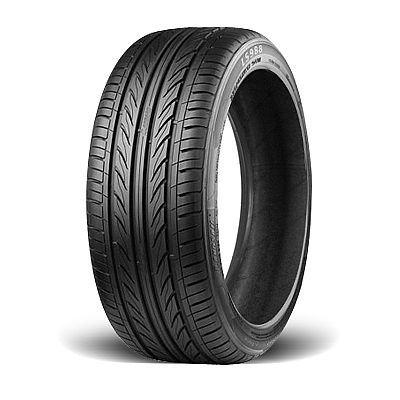
Landsail LS988 im Test
The Landsail LS988 is a polarizing budget-tier tire that receives highly inconsistent feedback from users. While many owners report satisfactory performance in dry conditions and appreciate the low price point, a significant portion of users warn of dangerous handling characteristics in wet weather, citing poor traction and unpredictable grip loss.
Zwei Bewertungssysteme im Vergleich
Besitzer-Scores stammen aus Bewertungen bei Händlern und auf Bewertungsportalen, Straßentest-Scores aus Messungen. Wo sie abweichen, geht es meist um eine Disziplin, die Besitzer selten ans Limit bringen.
Nach Besitzerbewertungen
62%Was Besitzern gefällt und was nicht
Themen aus 37 Besitzerbewertungen bei Händlern und Bewertungsportalen.
The Landsail LS988 is a polarizing budget-tier tire that receives highly inconsistent feedback from users. While many owners report satisfactory performance in dry conditions and appreciate the low price point, a significant portion of users warn of dangerous handling characteristics in wet weather, citing poor traction and unpredictable grip loss.
Vorteile
- Highly competitive price point
- Acceptable dry weather grip and handling
- Low noise levels for many users
- Good tread wear longevity for some driving styles
Nachteile
- Severely compromised wet weather performance
- Unpredictable breakaway and understeer in corners
- Inconsistent quality control and manufacturing
- Poor feedback and handling characteristics on performance-oriented vehicles
Gut zu wissen
- Users with high-torque or performance vehicles (e.g., Audi S4, Saab 9-3 Aero, BMW 5-series) frequently report difficulty managing power delivery in the wet.
- Drivers of heavier vehicles or those with modern electronic stability control systems report fewer safety concerns than those driving older, lighter, or non-assisted vehicles.
- Several reports indicate that the tire performs adequately for casual, low-speed commuting but fails under spirited driving conditions.