Lassa Wintus im Test
The Lassa Wintus is highly regarded by commercial van operators for its exceptional durability and reliable performance in adverse weather conditions. Users consistently report that the tire offers superior traction in snow and wet environments compared to premium competitors, while maintaining impressive longevity over high mileage.
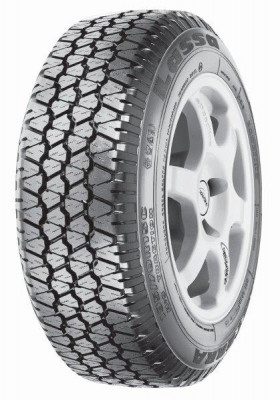
Zwei Bewertungssysteme im Vergleich
Besitzer-Scores stammen aus Bewertungen bei Händlern und auf Bewertungsportalen, Straßentest-Scores aus Messungen. Wo sie abweichen, geht es meist um eine Disziplin, die Besitzer selten ans Limit bringen.
Nach Besitzerbewertungen
85%Was Besitzern gefällt und was nicht
Themen aus 2 Besitzerbewertungen bei Händlern und Bewertungsportalen.
The Lassa Wintus is highly regarded by commercial van operators for its exceptional durability and reliable performance in adverse weather conditions. Users consistently report that the tire offers superior traction in snow and wet environments compared to premium competitors, while maintaining impressive longevity over high mileage.
Vorteile
- Excellent traction in snow and wet conditions
- High tread longevity with reports of 25,000+ miles
- Strong puncture resistance
- Competitive performance relative to premium-tier alternatives
Nachteile
- Occasional vulnerability to punctures after extended high-mileage use
- Limited feedback regarding dry weather handling characteristics
Gut zu wissen
- Highly effective for commercial van applications, specifically noted on the Toyota HiAce
- Demonstrates consistent performance stability even under the heavy-duty demands of commercial transport