Maxxis MA P1 im Test
The Maxxis MA P1 is widely regarded as a high-value, budget-friendly tire that excels in longevity and dry-weather performance. While many users praise its durability and affordability, there is a distinct polarization regarding wet-weather safety, with some drivers reporting excellent traction and others experiencing significant grip loss.
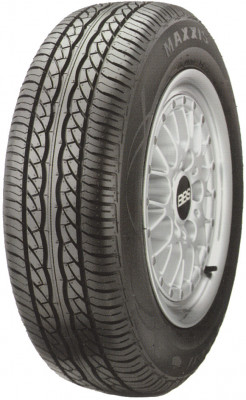
Zwei Bewertungssysteme im Vergleich
Besitzer-Scores stammen aus Bewertungen bei Händlern und auf Bewertungsportalen, Straßentest-Scores aus Messungen. Wo sie abweichen, geht es meist um eine Disziplin, die Besitzer selten ans Limit bringen.
Nach Besitzerbewertungen
71%Was Besitzern gefällt und was nicht
Themen aus 20 Besitzerbewertungen bei Händlern und Bewertungsportalen.
The Maxxis MA P1 is widely regarded as a high-value, budget-friendly tire that excels in longevity and dry-weather performance. While many users praise its durability and affordability, there is a distinct polarization regarding wet-weather safety, with some drivers reporting excellent traction and others experiencing significant grip loss.
Vorteile
- Exceptional tread life and durability
- High value for money and affordability
- Strong dry-weather handling and cornering stability
- Generally quiet and comfortable ride quality
Nachteile
- Inconsistent wet-weather performance
- Reports of increased road noise on certain surfaces
- Potential for 'twitchy' handling characteristics on specific vehicle setups
Gut zu wissen
- Users noted that the tire's stiff sidewalls provide improved cornering stability for heavier vehicles like the Volvo V70.
- Performance can be sensitive to tire pressure; several users recommend running +2 to +3 PSI above standard to optimize wear and handling.
- Drivers of smaller, lightweight vehicles like the Smart For Two reported higher noise levels and less predictable handling compared to larger sedans.