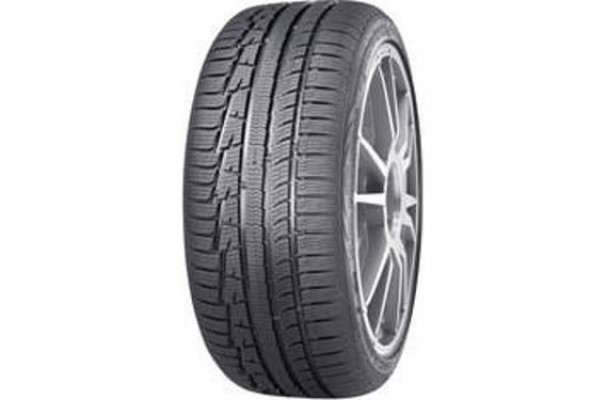
Nokian WR G3 im Test
The Nokian WR G3 is widely regarded as a capable all-weather tire that excels in wet and cold conditions, providing a high sense of security for year-round use in temperate climates. While users praise its winter traction and wet-weather handling, the consensus is tempered by concerns regarding rapid tread wear and mediocre performance in extreme summer heat.
Zwei Bewertungssysteme im Vergleich
Besitzer-Scores stammen aus Bewertungen bei Händlern und auf Bewertungsportalen, Straßentest-Scores aus Messungen. Wo sie abweichen, geht es meist um eine Disziplin, die Besitzer selten ans Limit bringen.
Nach Besitzerbewertungen
80%Was Besitzern gefällt und was nicht
Themen aus 7 Besitzerbewertungen bei Händlern und Bewertungsportalen.
The Nokian WR G3 is widely regarded as a capable all-weather tire that excels in wet and cold conditions, providing a high sense of security for year-round use in temperate climates. While users praise its winter traction and wet-weather handling, the consensus is tempered by concerns regarding rapid tread wear and mediocre performance in extreme summer heat.
Vorteile
- Excellent grip and braking performance in wet and cold conditions.
- Reliable traction in light to moderate snow and slush.
- Provides high levels of driver feedback and road security.
- Cost-effective pricing compared to premium dedicated winter tires.
Nachteile
- Premature tread wear that falls significantly short of manufacturer mileage claims.
- Subpar performance in high-temperature summer conditions, with reports of the compound feeling soft or 'melting'.
- Inconsistent dry road handling compared to dedicated summer tires.
- Occasional reports of increased road noise as the tire ages.
Gut zu wissen
- Users with RWD sedans, such as the Hyundai Genesis, report high satisfaction with the tire's ability to handle harsh winter commutes.
- Drivers of compact SUVs like the Jeep Renegade appreciate the tire's utility in mountain environments where traditional snow chains may not fit.
- Some users noted uneven wear patterns between front and rear axles, particularly on vehicles where alignment was verified.