Nokian WRG2 im Test
The Nokian WRG2 is widely regarded as a transformative all-weather tire, particularly praised for its exceptional traction in snow, slush, and icy conditions. While most users report high levels of confidence and safety in harsh winter environments, some note a decline in handling precision and stability during warmer summer months.
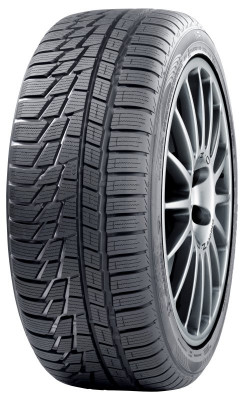
Zwei Bewertungssysteme im Vergleich
Besitzer-Scores stammen aus Bewertungen bei Händlern und auf Bewertungsportalen, Straßentest-Scores aus Messungen. Wo sie abweichen, geht es meist um eine Disziplin, die Besitzer selten ans Limit bringen.
Nach Besitzerbewertungen
82%Was Besitzern gefällt und was nicht
Themen aus 72 Besitzerbewertungen bei Händlern und Bewertungsportalen.
The Nokian WRG2 is widely regarded as a transformative all-weather tire, particularly praised for its exceptional traction in snow, slush, and icy conditions. While most users report high levels of confidence and safety in harsh winter environments, some note a decline in handling precision and stability during warmer summer months.
Vorteile
- Outstanding grip and traction in snow, slush, and ice
- Excellent performance in cold, wet, and rainy conditions
- High value for money compared to premium competitors
- Strong tread life and durability over high mileage
- Quiet operation on highway surfaces
Nachteile
- Noticeable 'loose' or soft handling feel in warm weather (+20°C)
- Occasional reports of poor wet-weather grip in specific temperature ranges
- Some users experienced faster-than-expected tread wear under aggressive driving
- Limited cornering stability on snow compared to dedicated winter tires
Gut zu wissen
- Users with AWD vehicles like the Volvo XC60 and Ford Kuga reported significant improvements in winter mobility and longevity compared to factory-fitted tires.
- BMW owners noted that the tires effectively mitigated the notorious winter traction issues associated with rear-wheel-drive platforms.
- Drivers of smaller vehicles and minivans reported that the tires provided a sense of security and control that allowed them to navigate steep, unplowed inclines with ease.