Sailun ICE BLAZER WST1 im Test
The Sailun Ice Blazer WST1 is widely regarded as a high-value winter tire that offers exceptional performance in deep snow and ice, often rivaling more expensive premium brands. While some users note a 'squishy' handling feel and occasional road noise, the consensus is that they provide excellent traction and confidence for the price point.
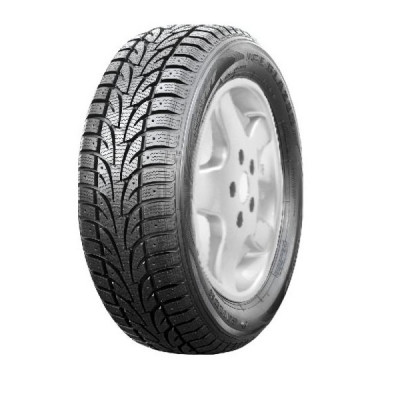
Zwei Bewertungssysteme im Vergleich
Besitzer-Scores stammen aus Bewertungen bei Händlern und auf Bewertungsportalen, Straßentest-Scores aus Messungen. Wo sie abweichen, geht es meist um eine Disziplin, die Besitzer selten ans Limit bringen.
Nach Besitzerbewertungen
85.2%Was Besitzern gefällt und was nicht
Themen aus 29 Besitzerbewertungen bei Händlern und Bewertungsportalen.
The Sailun Ice Blazer WST1 is widely regarded as a high-value winter tire that offers exceptional performance in deep snow and ice, often rivaling more expensive premium brands. While some users note a 'squishy' handling feel and occasional road noise, the consensus is that they provide excellent traction and confidence for the price point.
Vorteile
- Exceptional value for money compared to premium competitors
- Strong traction and control in deep snow and icy conditions
- Durable tread life under normal winter driving conditions
- Reliable performance across various vehicle types, including RWD and AWD platforms
Nachteile
- Noticeable road noise, particularly when new
- Handling can feel 'squishy' or vague during cornering compared to all-season tires
- Tendency to spin on greasy or wet pavement under heavy acceleration
- Initial break-in period required for optimal responsiveness
Gut zu wissen
- Drivers of RWD vehicles, such as Mustangs and BMWs, reported significant improvements in winter capability and control.
- Users noted that the tires maintain flexibility and grip even in extreme cold temperatures as low as -30 degrees.
- Some users observed that the soft, deep tread design absorbs road imperfections well but sacrifices some precision in hard cornering.