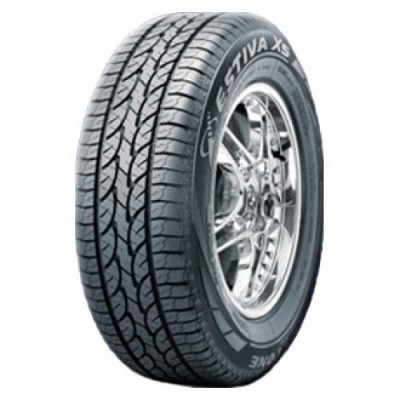
Silverstone Estiva X5 im Test
The Silverstone Estiva X5 receives a mixed to poor reception, primarily due to significant safety concerns regarding wet-weather performance. While some users acknowledge adequate dry handling and braking, the tire's lack of composure in rain and rapid tread wear make it a difficult recommendation for most drivers.
Zwei Bewertungssysteme im Vergleich
Besitzer-Scores stammen aus Bewertungen bei Händlern und auf Bewertungsportalen, Straßentest-Scores aus Messungen. Wo sie abweichen, geht es meist um eine Disziplin, die Besitzer selten ans Limit bringen.
Nach Besitzerbewertungen
66%Was Besitzern gefällt und was nicht
Themen aus 5 Besitzerbewertungen bei Händlern und Bewertungsportalen.
The Silverstone Estiva X5 receives a mixed to poor reception, primarily due to significant safety concerns regarding wet-weather performance. While some users acknowledge adequate dry handling and braking, the tire's lack of composure in rain and rapid tread wear make it a difficult recommendation for most drivers.
Vorteile
- Acceptable braking performance in dry conditions
- Reasonable dry-weather handling characteristics
- Competitive entry-level pricing
Nachteile
- Extremely poor traction and confidence in wet conditions
- Noticeable lack of stability during cornering
- Rapid or premature tread wear
- Unpredictable handling behavior, including a 'skipping' sensation
Gut zu wissen
- Users report a lack of confidence during standard cornering maneuvers at moderate speeds (85 km/h).
- The tire is described as particularly fidgety and prone to breaking traction in wet conditions at speeds as low as 40 km/h.