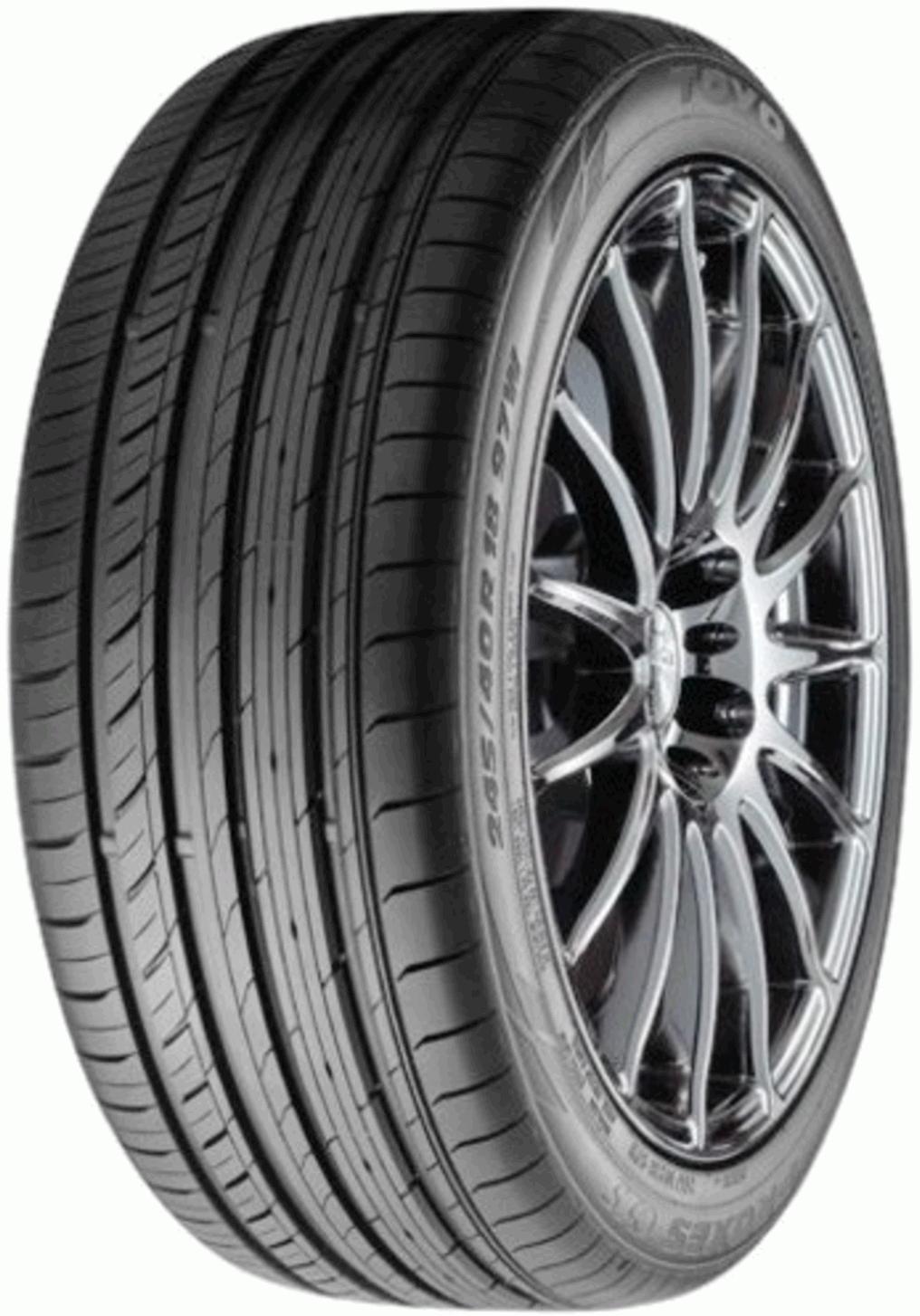
Toyo Proxes C1S im Test
The Toyo Proxes C1S receives highly polarized feedback, characterized by excellent initial performance that often degrades significantly over time. While many users praise its comfort and dry-weather handling when new, a substantial portion of the user base reports rapid increases in road noise and a sharp decline in wet-weather traction after the first 5,000 to 10,000 kilometers.
Zwei Bewertungssysteme im Vergleich
Besitzer-Scores stammen aus Bewertungen bei Händlern und auf Bewertungsportalen, Straßentest-Scores aus Messungen. Wo sie abweichen, geht es meist um eine Disziplin, die Besitzer selten ans Limit bringen.
Nach Besitzerbewertungen
69%Was Besitzern gefällt und was nicht
Themen aus 37 Besitzerbewertungen bei Händlern und Bewertungsportalen.
The Toyo Proxes C1S receives highly polarized feedback, characterized by excellent initial performance that often degrades significantly over time. While many users praise its comfort and dry-weather handling when new, a substantial portion of the user base reports rapid increases in road noise and a sharp decline in wet-weather traction after the first 5,000 to 10,000 kilometers.
Vorteile
- High levels of comfort and ride quality when new
- Strong initial dry grip and stability at high speeds
- Effective puncture resistance and reinforced sidewall construction
- Attractive tread design and competitive pricing
Nachteile
- Significant increase in road noise as the tire wears
- Rapid tread wear and premature degradation
- Noticeable decline in wet-weather performance and aquaplaning resistance
- Occasional quality control issues regarding tire balancing
Gut zu wissen
- Users driving in hot, humid climates (e.g., Malaysia, Thailand) report mixed results, with some finding them ideal for comfort while others note sidewall deflection under heavy loads.
- Performance-oriented vehicles like the Subaru WRX report satisfaction with grip, whereas owners of standard passenger cars frequently cite disappointment with longevity and noise levels.