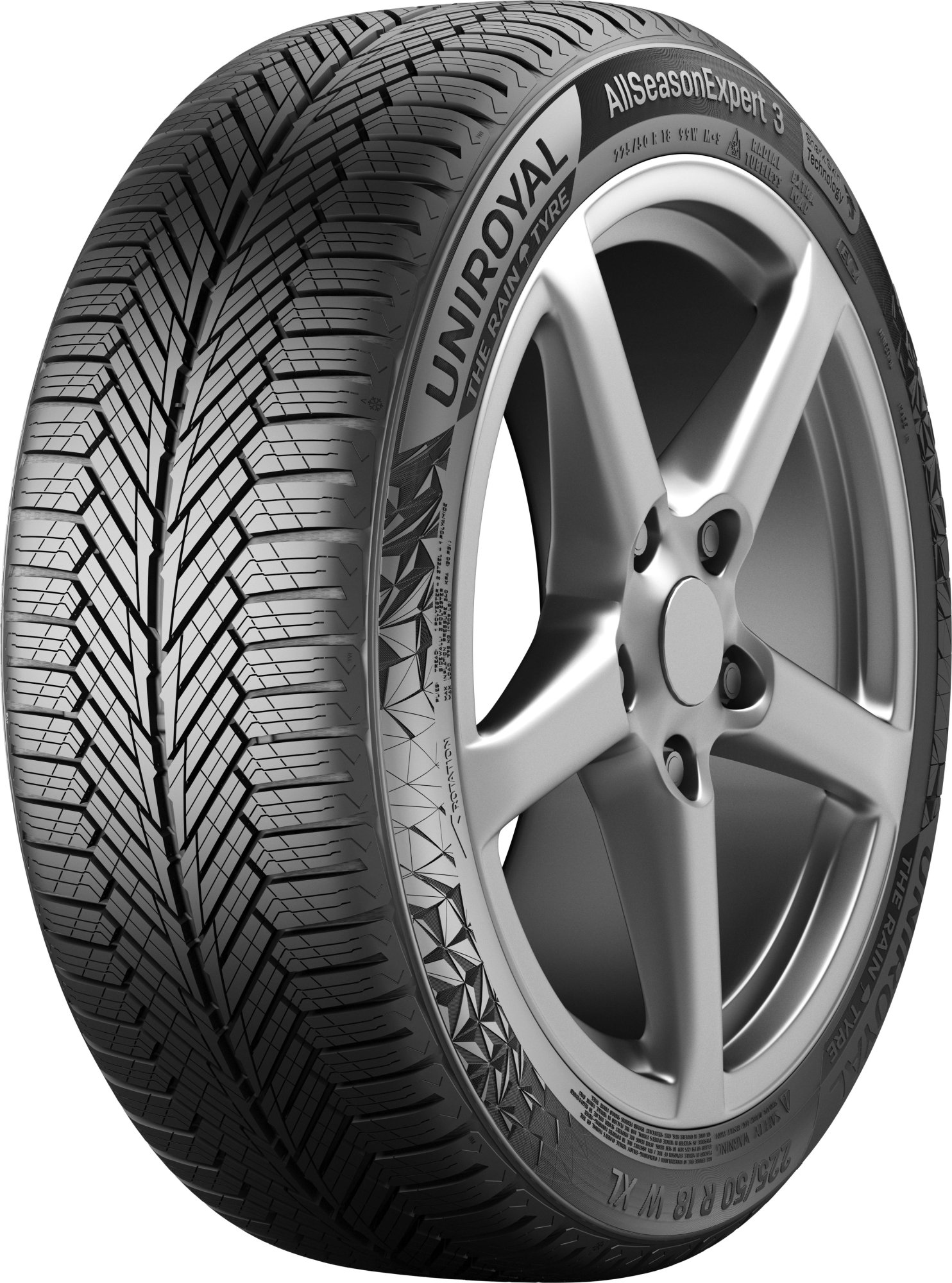
Uniroyal AllSeasonExpert 3 im Test
The Uniroyal AllSeasonExpert 3 is widely regarded as a highly capable winter-biased all-season tire that excels in cold, wet, and snowy conditions. While users praise its predictable handling and comfort in cooler temperatures, its performance consistency significantly degrades in warmer weather, leading to concerns regarding handling stability.
Zwei Bewertungssysteme im Vergleich
Besitzer-Scores stammen aus Bewertungen bei Händlern und auf Bewertungsportalen, Straßentest-Scores aus Messungen. Wo sie abweichen, geht es meist um eine Disziplin, die Besitzer selten ans Limit bringen.
Nach Besitzerbewertungen
78%Was Besitzern gefällt und was nicht
Themen aus 3 Besitzerbewertungen bei Händlern und Bewertungsportalen.
The Uniroyal AllSeasonExpert 3 is widely regarded as a highly capable winter-biased all-season tire that excels in cold, wet, and snowy conditions. While users praise its predictable handling and comfort in cooler temperatures, its performance consistency significantly degrades in warmer weather, leading to concerns regarding handling stability.
Vorteile
- Exceptional wet weather traction and stability
- Impressive grip and confidence in deep snow and icy conditions
- Good ride comfort that improves as the tire breaks in
- Strong initial tread wear resistance
Nachteile
- Significant loss of handling precision in warm temperatures
- Tendency to oversteer during summer driving
- Vague steering feedback compared to dedicated summer tires
Gut zu wissen
- Users report that the tire's behavior changes drastically when ambient temperatures rise, suggesting it may be better suited for regions with prolonged cold seasons rather than temperate climates.