Wanli S1088 im Test
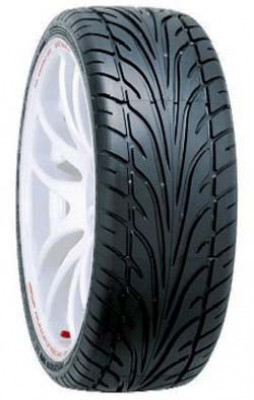
The Wanli S1088 is a highly polarizing budget tire that is frequently criticized for severe performance deficiencies in wet conditions and excessive road noise. While some users appreciate the low price point and acceptable dry-weather grip for casual city driving, a significant majority of reviewers report dangerous handling characteristics and noise levels often mistaken for mechanical failure.
Zwei Bewertungssysteme im Vergleich
Besitzer-Scores stammen aus Bewertungen bei Händlern und auf Bewertungsportalen, Straßentest-Scores aus Messungen. Wo sie abweichen, geht es meist um eine Disziplin, die Besitzer selten ans Limit bringen.
Nach Besitzerbewertungen
43%Was Besitzern gefällt und was nicht
Themen aus 85 Besitzerbewertungen bei Händlern und Bewertungsportalen.
The Wanli S1088 is a highly polarizing budget tire that is frequently criticized for severe performance deficiencies in wet conditions and excessive road noise. While some users appreciate the low price point and acceptable dry-weather grip for casual city driving, a significant majority of reviewers report dangerous handling characteristics and noise levels often mistaken for mechanical failure.
Vorteile
- Extremely affordable price point
- Acceptable grip levels on dry pavement
- High tread longevity and durability
- Suitable for low-speed, casual city commuting
Nachteile
- Extremely poor wet-weather traction and hydroplaning resistance
- Intrusive, loud road noise often described as sounding like a failed wheel bearing
- Unpredictable handling and lack of steering feedback
- Reports of structural issues such as sidewall cracking and tread deformation
Gut zu wissen
- Rear-wheel drive (RWD) vehicle owners report the most significant safety concerns, specifically regarding loss of traction on roundabouts and corners.
- Users of larger sedans and luxury vehicles (e.g., Mercedes E-Class, BMW 3-Series) frequently report that the tire noise is unbearable, often leading to premature removal.
- Some users noted that the tires perform better on 4WD/AWD vehicles where power is distributed, potentially masking some of the grip limitations found on FWD or RWD platforms.