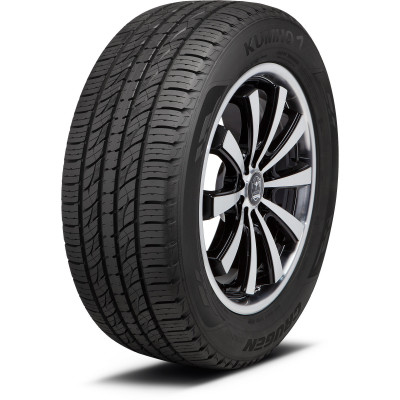
Kumho KL33 im Test
The Kumho KL33 presents a polarizing ownership experience, often serving as an OEM choice that delivers competent dry-weather performance and comfort when new. However, the consensus is significantly marred by reports of premature tread degradation, including chunking and delamination, alongside inconsistent long-term durability and poor manufacturer warranty support.
Zwei Bewertungssysteme im Vergleich
Besitzer-Scores stammen aus Bewertungen bei Händlern und auf Bewertungsportalen, Straßentest-Scores aus Messungen. Wo sie abweichen, geht es meist um eine Disziplin, die Besitzer selten ans Limit bringen.
Nach Besitzerbewertungen
64%Was Besitzern gefällt und was nicht
Themen aus 9 Besitzerbewertungen bei Händlern und Bewertungsportalen.
The Kumho KL33 presents a polarizing ownership experience, often serving as an OEM choice that delivers competent dry-weather performance and comfort when new. However, the consensus is significantly marred by reports of premature tread degradation, including chunking and delamination, alongside inconsistent long-term durability and poor manufacturer warranty support.
Vorteile
- Strong initial dry traction and braking performance
- Competitive price point offering good value for money
- Generally comfortable and quiet ride quality when new
- Satisfactory handling characteristics for standard suburban driving
Nachteile
- Significant reports of tread block chipping, chunking, and premature wear
- Concerns regarding structural integrity and potential delamination
- Increased road noise as the tire reaches mid-life
- Unresponsive customer service regarding warranty claims
Gut zu wissen
- Users on heavier SUVs and minivans like the Kia Carnival and Audi Q5 reported faster tread wear and lack of cornering feedback.
- Drivers of diesel-powered SUVs noted better longevity and satisfaction compared to those with gasoline-powered or luxury-segment vehicles.