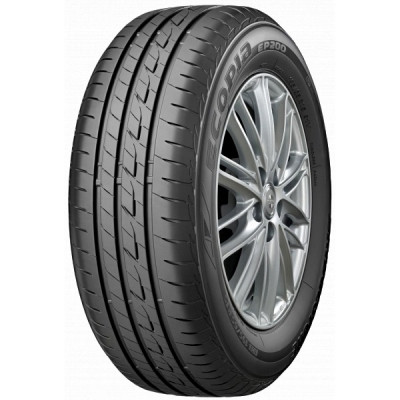
Bridgestone Ecopia EP200 im Test
The Bridgestone Ecopia EP200 receives a polarized reception, with users divided between those prioritizing fuel efficiency and those seeking high-performance handling. While many drivers report significant improvements in fuel economy and ride comfort, others express dissatisfaction with wet-weather traction and high-speed stability.
Zwei Bewertungssysteme im Vergleich
Besitzer-Scores stammen aus Bewertungen bei Händlern und auf Bewertungsportalen, Straßentest-Scores aus Messungen. Wo sie abweichen, geht es meist um eine Disziplin, die Besitzer selten ans Limit bringen.
Nach Besitzerbewertungen
71%Was Besitzern gefällt und was nicht
Themen aus 19 Besitzerbewertungen bei Händlern und Bewertungsportalen.
The Bridgestone Ecopia EP200 receives a polarized reception, with users divided between those prioritizing fuel efficiency and those seeking high-performance handling. While many drivers report significant improvements in fuel economy and ride comfort, others express dissatisfaction with wet-weather traction and high-speed stability.
Vorteile
- Noticeable improvement in fuel efficiency and lower rolling resistance
- Quiet and comfortable ride quality
- Good long-term durability for conservative drivers
- Responsive steering feel in urban driving conditions
Nachteile
- Inconsistent grip levels, particularly in wet conditions
- Poor high-speed stability and 'floating' sensation at highway speeds
- Rapid tread wear reported by some users under moderate to heavy use
- High replacement cost relative to performance
Gut zu wissen
- Users driving compact sedans like the Nissan Almera and Toyota Corolla Altis reported mixed results, with some praising the efficiency while others noted poor high-speed tracking.
- Drivers switching from performance-oriented tires (e.g., Hankook Evo V12) frequently expressed disappointment in the EP200's lack of grip and cornering confidence.