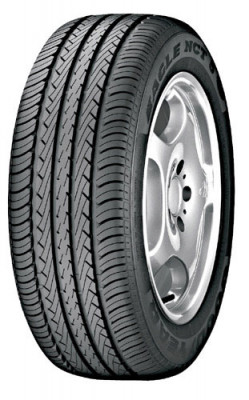
Goodyear Eagle NCT5 im Test
The Goodyear Eagle NCT5 is a polarizing tire that is widely recognized for its exceptional tread longevity and durability, often serving as a long-lasting OEM choice. However, user consensus is heavily divided regarding its performance, with many drivers reporting unpredictable wet-weather grip, high road noise, and a harsh ride quality that detracts from the overall driving experience.
Zwei Bewertungssysteme im Vergleich
Besitzer-Scores stammen aus Bewertungen bei Händlern und auf Bewertungsportalen, Straßentest-Scores aus Messungen. Wo sie abweichen, geht es meist um eine Disziplin, die Besitzer selten ans Limit bringen.
Nach Besitzerbewertungen
67%Was Besitzern gefällt und was nicht
Themen aus 91 Besitzerbewertungen bei Händlern und Bewertungsportalen.
The Goodyear Eagle NCT5 is a polarizing tire that is widely recognized for its exceptional tread longevity and durability, often serving as a long-lasting OEM choice. However, user consensus is heavily divided regarding its performance, with many drivers reporting unpredictable wet-weather grip, high road noise, and a harsh ride quality that detracts from the overall driving experience.
Vorteile
- Exceptional tread life and high mileage durability
- Strong resistance to punctures and road hazards
- Reliable performance in dry conditions for touring purposes
- Good value for money regarding cost-per-mile
Nachteile
- Unpredictable and often poor wet-weather traction
- High levels of road noise
- Harsh ride comfort, particularly in Run-Flat variants
- Lack of steering feedback and progressive handling
Gut zu wissen
- BMW owners frequently reported that the Run-Flat versions of this tire contributed to a stiff, uncomfortable ride and increased road noise.
- Users of compact vehicles (e.g., Perodua Myvi) generally found the tire suitable for daily commuting, whereas owners of performance-oriented sedans often criticized the lack of grip and handling precision.
- Heavy vehicles and those used for towing noted that the tire maintained its structural integrity well, though wet-weather performance remained a common point of failure.