Hankook Icebear W300 im Test
The Hankook Icebear W300 is a polarizing winter tire that receives high praise for its exceptional traction in deep snow and ice, often outperforming more expensive all-wheel-drive vehicles. However, user experiences are inconsistent, with some reporting significant issues regarding wet-weather grip, rapid tread wear, and poor performance in slushy or icy conditions.
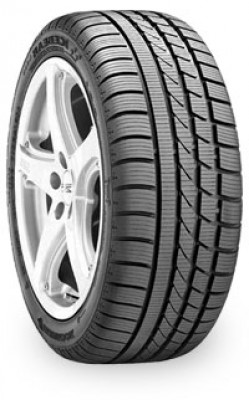
Zwei Bewertungssysteme im Vergleich
Besitzer-Scores stammen aus Bewertungen bei Händlern und auf Bewertungsportalen, Straßentest-Scores aus Messungen. Wo sie abweichen, geht es meist um eine Disziplin, die Besitzer selten ans Limit bringen.
Nach Besitzerbewertungen
71%Was Besitzern gefällt und was nicht
Themen aus 10 Besitzerbewertungen bei Händlern und Bewertungsportalen.
The Hankook Icebear W300 is a polarizing winter tire that receives high praise for its exceptional traction in deep snow and ice, often outperforming more expensive all-wheel-drive vehicles. However, user experiences are inconsistent, with some reporting significant issues regarding wet-weather grip, rapid tread wear, and poor performance in slushy or icy conditions.
Vorteile
- Outstanding traction and mobility in deep and compacted snow
- Predictable and progressive handling characteristics
- High value-to-performance ratio in winter conditions
- Comfortable ride quality and relatively low road noise
Nachteile
- Weak performance in wet and slushy conditions
- Rapid tread wear, particularly in warmer temperatures
- Limited dry-weather feedback and handling precision
- Potential for sidewall cracking over extended use
Gut zu wissen
- Rear-wheel-drive vehicles, particularly BMW models, report a transformative improvement in winter capability when equipped with these tires.
- Lightweight, lower-powered vehicles appear to benefit more from the tire's compound characteristics than heavier or high-torque vehicles.
- Users with wider tire sections (e.g., 255mm) noted a higher susceptibility to hydroplaning in wet conditions.