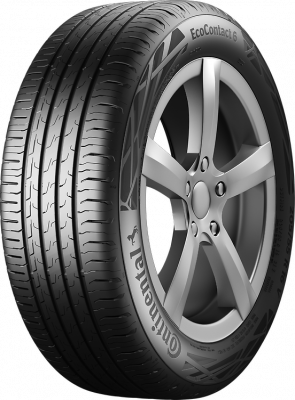
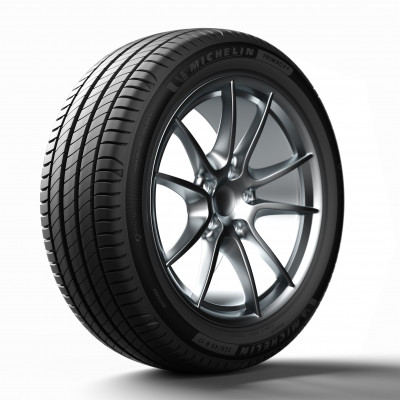
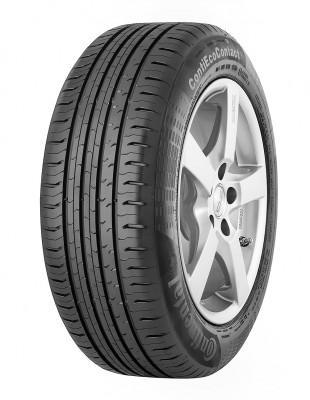
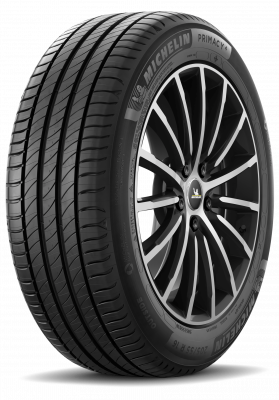
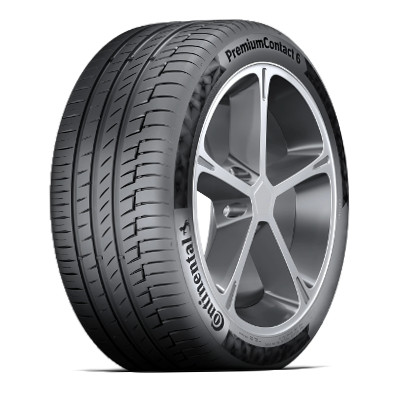
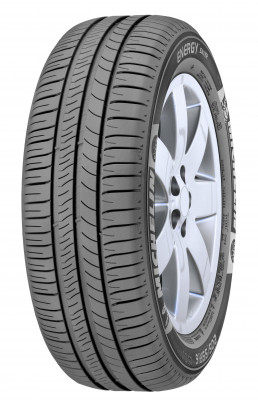
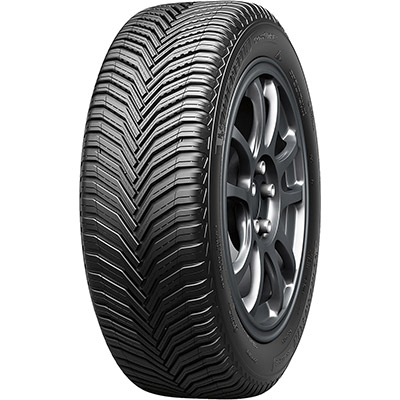
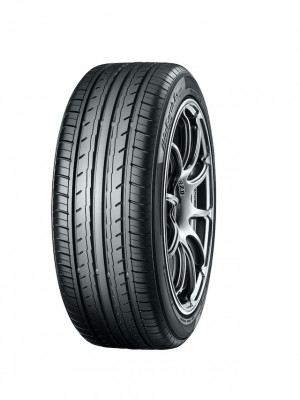
Continental EcoContact 6 vs Michelin Primacy 4 — im Vergleich (September 2026)
Unser Relativer Score kombiniert zu 60 % objektive Testdaten mit zu 40 % Bewertungen von Besitzern — so lassen sich zwei beliebige Reifen vergleichen, auch wenn sie nie im selben Test waren.
TireWheelGuide erhält ggf. eine Provision für Käufe über Links auf dieser Seite.
Kategorien im Detail
6 Kategorien im Vergleich
Jeder Balken ist der Relative Score der Kategorie. Klappen Sie eine Kachel auf, um die Testergebnisse und Besitzerbewertungen dahinter zu sehen.
Trocken
Gewichtung: Neutral
Score (0–100)Primacy 4 liegt 3 vorn
A — Continental EcoContact 6
84
B — Michelin Primacy 4
87
Warum dieser Score
Quelle
EcoContact 6
Primacy 4
Professionelle Tests (TWG-Score)
91
88
Tyre Reviews Besitzer
73
85
Bremsen trocken (% vom Besten)
98%
97%
Handling trocken (% vom Besten)
98%
99%
Nass
Gewichtung: Wichtig
Score (0–100)Primacy 4 liegt 16 vorn
A — Continental EcoContact 6
67
B — Michelin Primacy 4
83
Warum dieser Score
Quelle
EcoContact 6
Primacy 4
Professionelle Tests (TWG-Score)
74
85
Tyre Reviews Besitzer
55
81
Bremsen nass (% vom Besten)
84%
94%
Kreisbahn nass (% vom Besten)
100%
97%
Handling nass (% vom Besten)
90%
89%
Komfort
Gewichtung: Neutral
Score (0–100)Primacy 4 liegt 8 vorn
A — Continental EcoContact 6
69
B — Michelin Primacy 4
77
Warum dieser Score
Quelle
EcoContact 6
Primacy 4
Professionelle Tests (TWG-Score)
–
74
Tyre Reviews Besitzer
69
83
Geräusch
Gewichtung: Neutral
Score (0–100)Primacy 4 liegt 2 vorn
A — Continental EcoContact 6
73
B — Michelin Primacy 4
75
Warum dieser Score
Quelle
EcoContact 6
Primacy 4
Professionelle Tests (TWG-Score)
73
75
Laufleistung
Gewichtung: Wichtig
Score (0–100)Primacy 4 liegt 31 vorn
A — Continental EcoContact 6
51
B — Michelin Primacy 4
82
Warum dieser Score
Quelle
EcoContact 6
Primacy 4
Tyre Reviews Besitzer
51
82
Handling
Gewichtung: Neutral
Score (0–100)Primacy 4 liegt 17 vorn
A — Continental EcoContact 6
60
B — Michelin Primacy 4
77
Warum dieser Score
Quelle
EcoContact 6
Primacy 4
Tyre Reviews Besitzer
60
77
DriverReviews Besitzer
–
86
Scores im Überblick
Continental EcoContact 6 vs Michelin Primacy 4: Scores nach Kategorie (0–100)
Kategorie
Continental EcoContact 6
Michelin Primacy 4
Relativer Score
66
81
Trocken
84
87
Nass
67
83
Komfort
69
77
Geräusch
73
75
Laufleistung
51
82
Handling
60
77
Höher ist besser. Der Relative Score folgt Ihrer Gewichtung unten; die Kategorie-Scores ändern sich nicht.
Personalisieren
Gewichten Sie die Kategorien, die Ihnen wichtig sind
Nässe und Laufleistung starten bei „Wichtig“ — die beiden Punkte, die Käufern am wichtigsten sind. Verschieben Sie die Regler, die Scores aktualisieren sich sofort.
Neutral
KeinWenigerNeutralMehrMax
Wichtig
KeinWenigerNeutralMehrMax
Neutral
KeinWenigerNeutralMehrMax
Neutral
KeinWenigerNeutralMehrMax
Wichtig
KeinWenigerNeutralMehrMax
Neutral
KeinWenigerNeutralMehrMax
Neu berechnet
Gesamtscore
66
/ 100
Reifen A
81
/ 100
Reifen B
Testdaten
Die professionellen Testergebnisse hinter den Scores
Jedes Ergebnis ist in % des besten Reifens im jeweiligen Test angegeben. Zeilen „Gleicher Test“ sind der strengste Vergleich: Beide Reifen wurden nebeneinander gemessen.
Disziplin
Kategorie
Reifen A
Reifen B
Δ
Beide?
Aquaplaning quer
Kurve
77%#20/21 · 2022 Auto Bild Summer Tyre Test
99%#2/7 · The Best Touring Tyres for 2025 Tested
-21.9
Verschiedene Tests
Bremsen trocken
Trocken
98%#12/44 · 2022 Summer Tyre Market Overview
97%#5/50 · 2023 ADAC Summer Tyre Test
+0.8
Verschiedene Tests
Handling trocken
Trocken
98%#3/10 · 2022 AZ SUV Tyre Test
99%#5/7 · The Best Touring Tyres for 2025 Tested
-0.5
Verschiedene Tests
Rollwiderstand
Effizienz
100%#1/21 · 2022 Auto Bild Summer Tyre Test
91%#7/10 · 2024 Motorhome Summer Tyre Test
+9
Verschiedene Tests
Kraftstoffverbrauch
Kraftstoff
92%#1/10 · 2022 ViBilagare Eco vs Normal Tyre Test
97%#6/16 · 2024 ADAC Summer Tyre Test
-4.3
Verschiedene Tests
Geräusch
Sonstige
96%#1/21 · 2022 Auto Bild Summer Tyre Test
97%#2/7 · The Best Touring Tyres for 2025 Tested
-1.4
Verschiedene Tests
Preis
Sonstige
88%#6/10 · 2022 ViBilagare Eco vs Normal Tyre Test
94%#11/13 · Tyre Reviews Best Summer Touring Tyres
-5.8
Verschiedene Tests
Preis-Leistung
Sonstige
75%#16/21 · 2022 Auto Bild Summer Tyre Test
52%#16/50 · 2023 ADAC Summer Tyre Test
+23
Verschiedene Tests
Verschleiß
Sonstige
100%#1/12 · 2020 ADAC SUV Summer Tyre Test
86%#4/50 · 2023 ADAC Summer Tyre Test
+14.3
Verschiedene Tests
Gesamtplatzierung
Gesamt
17%#6/8 · 2026 Summer ECO Tyre Test
33%#3/50 · 2023 ADAC Summer Tyre Test
-16.7
Verschiedene Tests
Aquaplaning längs
Geradeaus
92%#20/21 · 2022 Auto Bild Summer Tyre Test
82%#7/8 · 2025 EV Tyre Test
+10.3
Verschiedene Tests
Gesamtkosten
Gesamt
0%#1/21 · 2022 Auto Bild Summer Tyre Test
0%#9/20 · 2024 AutoBild Summer Tyre Test
0
Verschiedene Tests
Bremsen nass
Nass
84%#27/44 · 2022 Summer Tyre Market Overview
94%#2/8 · 2023 Motor Summer Tyre Test
-9.5
Verschiedene Tests
Kreisbahn nass
Nass
100%#21/21 · 2022 Auto Bild Summer Tyre Test
97%#7/8 · 2025 EV Tyre Test
+3.2
Verschiedene Tests
Handling nass
Nass
90%#21/21 · 2022 Auto Bild Summer Tyre Test
89%#5/13 · Tyre Reviews Best Summer Touring Tyres
+1.3
Verschiedene Tests
Von Besitzern
Vorteile, Nachteile & Beobachtungen
Themen aus Besitzerbewertungen bei Händlern und Bewertungsportalen — nicht die Meinung von TireWheelGuide.
Reifen AContinental EcoContact 6
The Continental EcoContact 6 is a polarizing tire that prioritizes fuel efficiency and low rolling resistance at the expense of longevity and wet-weather performance. While many users appreciate its quiet ride and contribution to fuel economy, a significant number of owners report rapid tread wear, poor wet-surface traction, and a lack of confidence-inspiring handling, particularly when fitted as original equipment on modern vehicles.
Vorteile
Excellent fuel efficiency and low rolling resistance
Quiet and comfortable ride quality
Stable and predictable performance on dry, well-maintained roads
Good initial road feedback for daily commuting
Nachteile
Rapid and premature tread wear
Poor wet-weather grip and high susceptibility to aquaplaning
Low initial tread depth (often reported at 6.0-6.5mm) compared to industry standards
Weak sidewall construction prone to punctures and bulging
Inconsistent performance as the tire ages
Beobachtungen
Users with heavier vehicles, particularly EVs and PHEVs, report significantly accelerated tread wear and concerns regarding sidewall durability.
Drivers of performance-oriented or higher-torque vehicles frequently note that the tire's soft compound struggles to manage power, leading to excessive wheel spin and understeer.
Owners of compact SUVs and crossovers frequently cite issues with stone punctures, suggesting the tread pattern or carcass design is ill-suited for anything beyond pristine asphalt.
Reifen BMichelin Primacy 4
The Michelin Primacy 4 is widely regarded as a premium, long-lasting touring tire that excels in comfort, noise reduction, and consistent wet-weather performance. While it is highly praised for its longevity and safety, some enthusiasts find its handling 'floaty' or lacking in road feedback compared to sport-oriented tires, leading to a polarized experience depending on driving style.
Vorteile
Exceptional tread life and longevity
High levels of ride comfort and low road noise
Consistent performance even as the tire wears
Strong wet-weather grip and aquaplaning resistance
Nachteile
Vague steering feel and lack of road feedback
Soft sidewalls can feel 'mushy' or 'floaty' during spirited driving
High price point compared to competitors
Increased noise levels as the tire ages
Beobachtungen
Users with heavier vehicles or EVs often report a 'floaty' sensation, which some mitigate by increasing tire pressure.
Drivers of performance-oriented hatchbacks often find the tire's touring-focused design disappointing compared to UHP alternatives.
The tire is frequently noted for transforming the ride quality of vehicles previously fitted with harsh run-flat tires.
Community-Meinungen
Was echte Besitzer sagen
Aus Reddit, Foren und Bewertungs-Threads. Nicht Teil unseres Scores
Reifen A
Continental EcoContact 6
Zu diesem Reifen haben wir noch nicht genug Community-Beiträge gesammelt.
Reifen B
Michelin Primacy 4
Positiv
Community opinion on the Michelin Primacy 4 is largely positive, praising its exceptional wet braking capabilities, impressive longevity, low cabin noise, and smooth ride quality. While some users note limitations in heavy snow or rougher tarmac surfaces, it is widely recommended as a top-tier touring tire for daily driving compared to sportier alternatives like the Pilot Sport series.
Jeder Kategorie-Score kombiniert zwei unabhängige Signale. 60 % stammen aus professionellen Reifentests (Bremswege, Rundenzeiten, Geräuschmessungen), normiert auf den besten Reifen im jeweiligen Test und mit stärkerer Gewichtung neuerer Tests. 40 % stammen aus Tausenden Besitzerbewertungen von Händlern und Bewertungsportalen. Hat ein Reifen nur eines von beiden, verwenden wir, was vorhanden ist, und weisen darauf hin.
Community-Meinungen aus Reddit und Foren dienen nur als Kontext — sie verändern den Score nie.