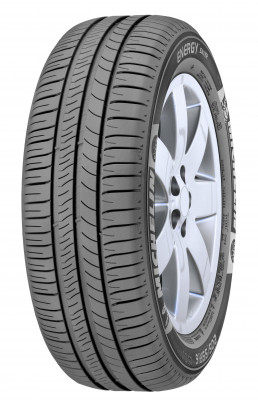
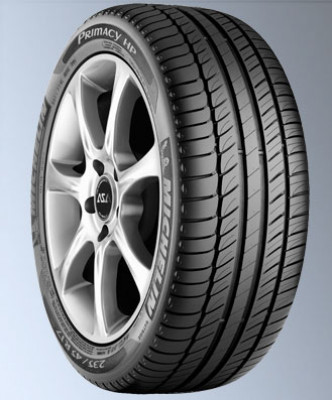
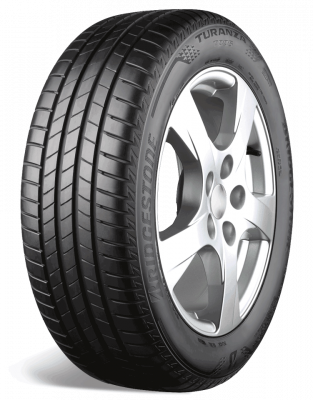
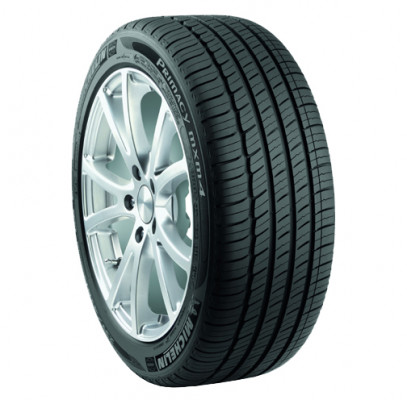
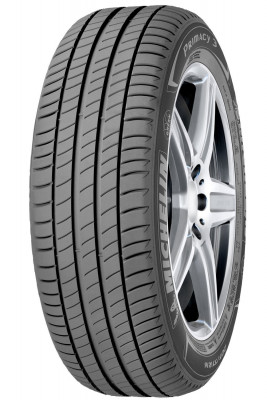
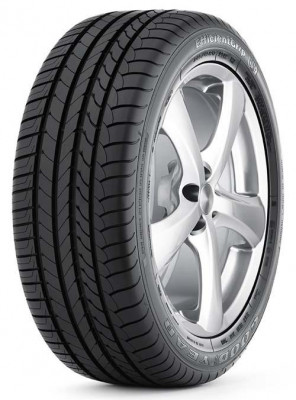
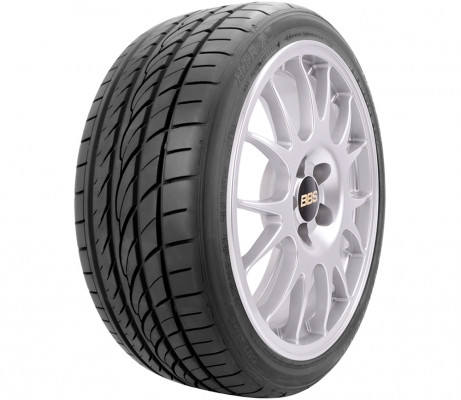
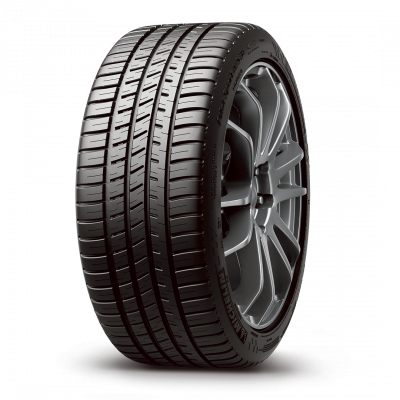
Michelin Energy Saver vs Michelin Primacy HP — im Vergleich (September 2026)
Unser Relativer Score kombiniert zu 60 % objektive Testdaten mit zu 40 % Bewertungen von Besitzern — so lassen sich zwei beliebige Reifen vergleichen, auch wenn sie nie im selben Test waren.
Preise ändern sich täglich — prüfen Sie beim Händler Ihre Größe.
FazitSieger: Michelin Energy Saver — besser bei Laufleistung und Komfort. Wählen Sie den Michelin Primacy HP, wenn Ihnen Trocken und Handling am wichtigsten sind.
TireWheelGuide erhält ggf. eine Provision für Käufe über Links auf dieser Seite.
Kategorien im Detail
7 Kategorien im Vergleich
Jeder Balken ist der Relative Score der Kategorie. Klappen Sie eine Kachel auf, um die Testergebnisse und Besitzerbewertungen dahinter zu sehen.
Trocken
Gewichtung: Neutral
Score (0–100)Primacy HP liegt 3 vorn
A — Michelin Energy Saver
81
B — Michelin Primacy HP
84
Warum dieser Score
Quelle
Energy Saver
Primacy HP
Professionelle Tests (TWG-Score)
79
–
Tire Rack Besitzer
–
78
Tyre Reviews Besitzer
83
84
Nass
Gewichtung: Wichtig
Score (0–100)Energy Saver liegt 1 vorn
A — Michelin Energy Saver
76
B — Michelin Primacy HP
75
Warum dieser Score
Quelle
Energy Saver
Primacy HP
Professionelle Tests (TWG-Score)
79
–
Tire Rack Besitzer
–
73
Tyre Reviews Besitzer
71
75
Schnee
Gewichtung: Neutral
Score (0–100)
A — Michelin Energy Saver
52
B — Michelin Primacy HP–
Komfort
Gewichtung: Neutral
Score (0–100)Energy Saver liegt 4 vorn
A — Michelin Energy Saver
80
B — Michelin Primacy HP
76
Warum dieser Score
Quelle
Energy Saver
Primacy HP
Tire Rack Besitzer
–
74
Tyre Reviews Besitzer
80
76
Geräusch
Gewichtung: Neutral
Score (0–100)
A — Michelin Energy Saver
37
B — Michelin Primacy HP–
Warum dieser Score
Quelle
Energy Saver
Primacy HP
Professionelle Tests (TWG-Score)
37
–
Laufleistung
Gewichtung: Wichtig
Score (0–100)Energy Saver liegt 8 vorn
A — Michelin Energy Saver
85
B — Michelin Primacy HP
77
Warum dieser Score
Quelle
Energy Saver
Primacy HP
Tire Rack Besitzer
–
76
Tyre Reviews Besitzer
85
77
Handling
Gewichtung: Neutral
Score (0–100)Primacy HP liegt 3 vorn
A — Michelin Energy Saver
71
B — Michelin Primacy HP
74
Warum dieser Score
Quelle
Energy Saver
Primacy HP
Tyre Reviews Besitzer
71
74
Scores im Überblick
Michelin Energy Saver vs Michelin Primacy HP: Scores nach Kategorie (0–100)
Kategorie
Michelin Energy Saver
Michelin Primacy HP
Relativer Score
79
77
Trocken
81
84
Nass
76
75
Schnee
52
–
Komfort
80
76
Geräusch
37
–
Laufleistung
85
77
Handling
71
74
Höher ist besser. Der Relative Score folgt Ihrer Gewichtung unten; die Kategorie-Scores ändern sich nicht.
Personalisieren
Gewichten Sie die Kategorien, die Ihnen wichtig sind
Nässe und Laufleistung starten bei „Wichtig“ — die beiden Punkte, die Käufern am wichtigsten sind. Verschieben Sie die Regler, die Scores aktualisieren sich sofort.
Neutral
KeinWenigerNeutralMehrMax
Wichtig
KeinWenigerNeutralMehrMax
Neutral
KeinWenigerNeutralMehrMax
Neutral
KeinWenigerNeutralMehrMax
Neutral
KeinWenigerNeutralMehrMax
Wichtig
KeinWenigerNeutralMehrMax
Neutral
KeinWenigerNeutralMehrMax
Neu berechnet
Gesamtscore
79
/ 100
Reifen A
77
/ 100
Reifen B
In den Gesamtscore fließen nur Kategorien ein, für die beide Reifen Daten haben.
Von Besitzern
Vorteile, Nachteile & Beobachtungen
Themen aus Besitzerbewertungen bei Händlern und Bewertungsportalen — nicht die Meinung von TireWheelGuide.
Reifen AMichelin Energy Saver
The Michelin Energy Saver is widely regarded as a class-leading tire for longevity and fuel efficiency, often exceeding 40,000–60,000 miles for many users. While it excels in dry conditions and provides a comfortable, quiet ride, it receives consistent criticism for a decline in wet-weather performance as the tread wears down and a tendency for the rubber compound to develop sidewall cracking over time.
Vorteile
Exceptional tread life and durability
Noticeable improvements in fuel economy
Low road noise and high ride comfort
Reliable dry-weather handling and stability
Nachteile
Significant loss of wet-weather grip as the tire ages
Susceptibility to sidewall cracking and dry rot after 3-4 years
Hard compound can feel 'skating' or insecure in cold or wet conditions
Lack of road feedback for spirited driving
Beobachtungen
Users with heavier vehicles or those driving on rough, pothole-prone roads noted that the sidewalls can be fragile and prone to damage.
Drivers of small hatchbacks (e.g., VW Polo, Ford Fiesta) frequently reported that the tire significantly improved steering lightness and overall handling compared to budget alternatives.
Owners of high-mileage commuters and taxis consistently praise the tire for its cost-per-mile value, despite the performance drop-off in later years.
Reifen BMichelin Primacy HP
The Michelin Primacy HP is widely regarded as a premium, long-lasting touring tire that excels in dry conditions and offers impressive fuel efficiency. While many users praise its longevity and stability on motorways, a significant portion of the user base reports concerns regarding wet-weather performance, particularly as the tread wears down, and a high price point that some feel is not justified by its aging characteristics.
Vorteile
Exceptional tread life and longevity
Strong dry-road grip and handling
High fuel efficiency and low rolling resistance
Stable and comfortable ride quality for long-distance cruising
Nachteile
Noticeable decline in wet-weather grip as tread depth decreases
High retail price compared to competitors
Increased road noise as the tire ages
Poor performance in snow and icy conditions
Beobachtungen
Owners of heavy FWD vehicles and MPVs frequently report high satisfaction with tread wear, though some note a decline in wet-weather responsiveness on these platforms.
Drivers of performance-oriented vehicles (e.g., GT86, FR-S) often find the tire's low-grip characteristics unpredictable or unsuited for spirited driving.
Users with larger rim sizes (17-18 inch) occasionally report increased road noise and 'tramlining' on uneven surfaces.
Community-Meinungen
Was echte Besitzer sagen
Aus Reddit, Foren und Bewertungs-Threads. Nicht Teil unseres Scores
Reifen A
Michelin Energy Saver
Zu diesem Reifen haben wir noch nicht genug Community-Beiträge gesammelt.
Reifen B
Michelin Primacy HP
Gemischt
Community opinion on the Michelin Primacy HP is divided. While some enthusiasts view them as lacking grip and inferior compared to Michelin's performance-oriented Pilot Sport line, others appreciate them as stock tires for daily driving or playful street handling due to their predictable breakaway and low rolling resistance.
#Stock tire performance#Comparison with Pilot Sport#Playful vs serious grip#Daily driving suitability#Low rolling resistance
Basierend auf 10 Community-Beiträgen
Technische Daten
Daten im Vergleich
Merkmal
A · Michelin Energy Saver
B · Michelin Primacy HP
Kategorie
Sommerreifen · Premium Touring
Sommerreifen · Premium Touring
Fahrzeugtyp
Passenger Car / Crossover
Passenger Car / Crossover
Fazit
Welchen sollten Sie kaufen?
79
/ 100
Michelin
77
/ 100
Michelin
Sieger: Michelin Energy Saver — besser bei Laufleistung und Komfort. Wählen Sie den Michelin Primacy HP, wenn Ihnen Trocken und Handling am wichtigsten sind.
Reifen A wählenSie wollen die höchste Laufleistung
Michelin Energy Saver erreicht 85 vs 77 bei Laufleistung.
Reifen A wählenSie wollen den höchsten Fahrkomfort
Michelin Energy Saver erreicht 80 vs 76 bei Komfort.
Reifen B wählenSie wollen maximalen Grip auf trockener Straße
Michelin Primacy HP erreicht 84 vs 81 bei Trocken.
Reifen B wählenSie mögen präzises, direktes Handling
Michelin Primacy HP erreicht 74 vs 71 bei Handling.
Jeder Kategorie-Score kombiniert zwei unabhängige Signale. 60 % stammen aus professionellen Reifentests (Bremswege, Rundenzeiten, Geräuschmessungen), normiert auf den besten Reifen im jeweiligen Test und mit stärkerer Gewichtung neuerer Tests. 40 % stammen aus Tausenden Besitzerbewertungen von Händlern und Bewertungsportalen. Hat ein Reifen nur eines von beiden, verwenden wir, was vorhanden ist, und weisen darauf hin.
Community-Meinungen aus Reddit und Foren dienen nur als Kontext — sie verändern den Score nie.