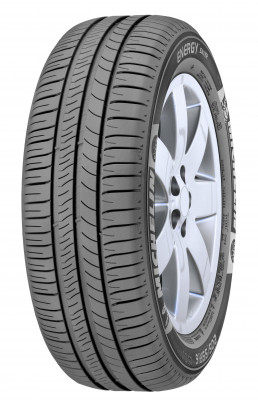
Michelin Energy Saver im Test
The Michelin Energy Saver is widely regarded as a class-leading tire for longevity and fuel efficiency, often exceeding 40,000–60,000 miles for many users. While it excels in dry conditions and provides a comfortable, quiet ride, it receives consistent criticism for a decline in wet-weather performance as the tread wears down and a tendency for the rubber compound to develop sidewall cracking over time.
Zwei Bewertungssysteme im Vergleich
Besitzer-Scores stammen aus Bewertungen bei Händlern und auf Bewertungsportalen, Straßentest-Scores aus Messungen. Wo sie abweichen, geht es meist um eine Disziplin, die Besitzer selten ans Limit bringen.
Nach Besitzerbewertungen
75.9%Nach Straßentests
69.8%Was Besitzern gefällt und was nicht
Themen aus 137 Besitzerbewertungen bei Händlern und Bewertungsportalen.
The Michelin Energy Saver is widely regarded as a class-leading tire for longevity and fuel efficiency, often exceeding 40,000–60,000 miles for many users. While it excels in dry conditions and provides a comfortable, quiet ride, it receives consistent criticism for a decline in wet-weather performance as the tread wears down and a tendency for the rubber compound to develop sidewall cracking over time.
Vorteile
- Exceptional tread life and durability
- Noticeable improvements in fuel economy
- Low road noise and high ride comfort
- Reliable dry-weather handling and stability
Nachteile
- Significant loss of wet-weather grip as the tire ages
- Susceptibility to sidewall cracking and dry rot after 3-4 years
- Hard compound can feel 'skating' or insecure in cold or wet conditions
- Lack of road feedback for spirited driving
Gut zu wissen
- Users with heavier vehicles or those driving on rough, pothole-prone roads noted that the sidewalls can be fragile and prone to damage.
- Drivers of small hatchbacks (e.g., VW Polo, Ford Fiesta) frequently reported that the tire significantly improved steering lightness and overall handling compared to budget alternatives.
- Owners of high-mileage commuters and taxis consistently praise the tire for its cost-per-mile value, despite the performance drop-off in later years.
3 Teilnahmen an veröffentlichten Tests
Platzierung im jeweiligen Testfeld. Öffnen Sie einen Test für die Ergebnisse je Disziplin.
2018 Auto Bild 15 inch Summer tire Test · 195/65 R15
5. von 20
| Disziplin | Platz | Position im Feld |
|---|---|---|
| Bremsen nass | 17. von 20 | |
| Handling nass | 16. von 20 | |
| Bremsen trocken | 13. von 20 | |
| Handling trocken | 7. von 20 | |
| Rollwiderstand | 3. von 20 | |
| Aquaplaning längs | 8. von 20 | |
| Geräusch | 5. von 20 | |
| Preis-Leistung | 11. von 20 | |
| Preis | 20. von 20 | |
| Verschleiß | 2. von 20 | |
| Gesamtkosten | 2. von 20 |
2018 AutoBild Summer tire Overview · 195/65 R15
15. von 47
| Disziplin | Platz | Position im Feld |
|---|
2017 ADAC 195/65 R15 Summer tire Test
11. von 16
| Disziplin | Platz | Position im Feld |
|---|---|---|
| Handling trocken | 5. von 16 | |
| Subj. Handling trocken | 5. von 16 | |
| Bremsen trocken | 5. von 16 | |
| Aquaplaning längs | 9. von 16 | |
| Aquaplaning quer | 9. von 16 | |
| Bremsen nass | 9. von 16 | |
| Handling nass | 9. von 16 | |
| Querbeschleunigung nass | 9. von 16 | |
| Rollwiderstand | 2. von 16 | |
| Innengeräusch | 5. von 16 | |
| Verschleiß | 1. von 16 |