Michelin Energy EV im Test
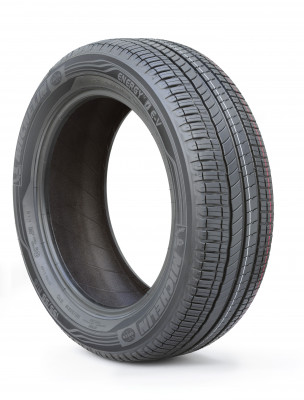
The Michelin Energy EV is generally regarded as a specialized, efficiency-focused tire that offers competent dry and wet grip for small electric vehicles like the Renault Zoe. However, user consensus is heavily marred by reports of premature structural degradation, high susceptibility to punctures, and a disproportionately high price point relative to its longevity.
Zwei Bewertungssysteme im Vergleich
Besitzer-Scores stammen aus Bewertungen bei Händlern und auf Bewertungsportalen, Straßentest-Scores aus Messungen. Wo sie abweichen, geht es meist um eine Disziplin, die Besitzer selten ans Limit bringen.
Nach Besitzerbewertungen
54%Was Besitzern gefällt und was nicht
Themen aus 5 Besitzerbewertungen bei Händlern und Bewertungsportalen.
The Michelin Energy EV is generally regarded as a specialized, efficiency-focused tire that offers competent dry and wet grip for small electric vehicles like the Renault Zoe. However, user consensus is heavily marred by reports of premature structural degradation, high susceptibility to punctures, and a disproportionately high price point relative to its longevity.
Vorteile
- Commendable grip levels in both dry and wet conditions
- Effective contribution to vehicle range maximization
- Performance comparable to higher-tier performance tires despite eco-focused design
Nachteile
- High susceptibility to sidewall damage and punctures
- Premature aging, including cracking and block degradation
- Rapid tread wear on front-wheel-drive configurations
- High retail price for a small-diameter tire
Gut zu wissen
- Users of the Renault Zoe frequently report that the front tires suffer from significantly faster wear and structural issues compared to the rear tires.
- The tire's thin sidewall construction is a recurring point of failure for urban driving environments involving curbs.