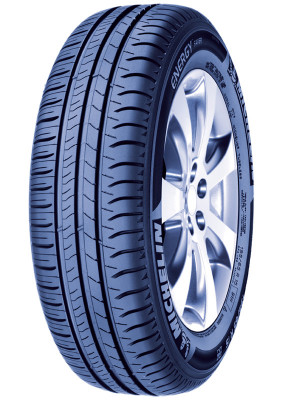
Michelin Energy Saver A/S im Test
The Michelin Energy Saver AS receives a mixed reception, primarily valued for its fuel efficiency and longevity in specific conditions, but frequently criticized for inconsistent tread life and poor performance in wet or cold weather. While some long-term users report exceptional durability, many modern drivers find the tire's grip and noise levels inadequate for daily commuting.
Zwei Bewertungssysteme im Vergleich
Besitzer-Scores stammen aus Bewertungen bei Händlern und auf Bewertungsportalen, Straßentest-Scores aus Messungen. Wo sie abweichen, geht es meist um eine Disziplin, die Besitzer selten ans Limit bringen.
Nach Besitzerbewertungen
58.9%Was Besitzern gefällt und was nicht
Themen aus 9 Besitzerbewertungen bei Händlern und Bewertungsportalen.
The Michelin Energy Saver AS receives a mixed reception, primarily valued for its fuel efficiency and longevity in specific conditions, but frequently criticized for inconsistent tread life and poor performance in wet or cold weather. While some long-term users report exceptional durability, many modern drivers find the tire's grip and noise levels inadequate for daily commuting.
Vorteile
- High fuel economy and rolling efficiency
- Potential for high mileage in specific driving conditions
- Reliable dry weather traction for some users
Nachteile
- Significant hydroplaning tendencies in wet conditions
- Inconsistent tread life, with reports of premature wear
- Excessive road noise and audible squealing during cornering
- Unsettling braking performance in emergency situations
Gut zu wissen
- Hybrid and EV owners, such as those with the Ford Fusion Hybrid and Nissan Leaf, report faster-than-expected tread wear.
- Users note that the tire's performance characteristics, particularly in cold and wet climates, are often perceived as inferior to dedicated winter or performance-oriented tires.